

กลุ่มนิคมอุตสาหกรรมของไทยกำลังอยู่ในช่วงของการปรับมูลค่าเชิงโครงสร้างที่ได้รับแรงหนุนจากการเติบโตอย่างก้าวกระโดดของการลงทุนในธุรกิจ data center ซึ่งมีการใช้ไฟฟ้าและน้ำสูงกว่าลูกค้าอุตสาหกรรมดั้งเดิมถึง 12–16 เท่า และจะช่วยผลักดันให้ AMATA (ราคาเป้าหมายปี 2569 อยู่ที่ 34.50 บาท) และ WHA (ราคาเป้าหมายปี 2569 อยู่ที่ 5.80 บาท) รายงานกำไรสุทธิสูงสุดเป็นประวัติการณ์ต่อเนื่องจนถึงปี 2570 ด้วยแรงหนุนจากยอดขอรับส่งเสริมการลงทุนจาก BOI สูงสุดเป็นประวัติการณ์ ประเทศไทยมีความพร้อมที่จะแข่งขันกับประเทศคู่แข่งในภูมิภาค โดยอาศัยความได้เปรียบจากการมีฐานการผลิตในพื้นที่ EEC พื้นที่นิคมฯ ที่เพิ่มขึ้น และโครงการ Direct PPA นำร่อง 2,000 MW จะช่วยให้ข้อจำกัดในการเข้าถึงพลังงานหมุนเวียนของประเทศไทยเมื่อเทียบกับคู่แข่งในภูมิภาคลดลงอย่างมีนัยสำคัญ ทั้งนี้แม้จะเผชิญความผันผวนด้านเศรษฐกิจมหภาคและภูมิรัฐศาสตร์ แต่ผู้พัฒนานิคมฯ ทั้งสองรายยังคงมีสถานะที่แข็งแกร่งในฐานะผู้เล่นระดับพรีเมียม ซึ่งสะท้อนผ่านการได้รับ SET ESG Ratings ในระดับสูงสุดที่ AAA
นิคมอุตสาหกรรม – Data center: ธุรกิจ New Economy สำหรับกลุ่มนิคมฯ
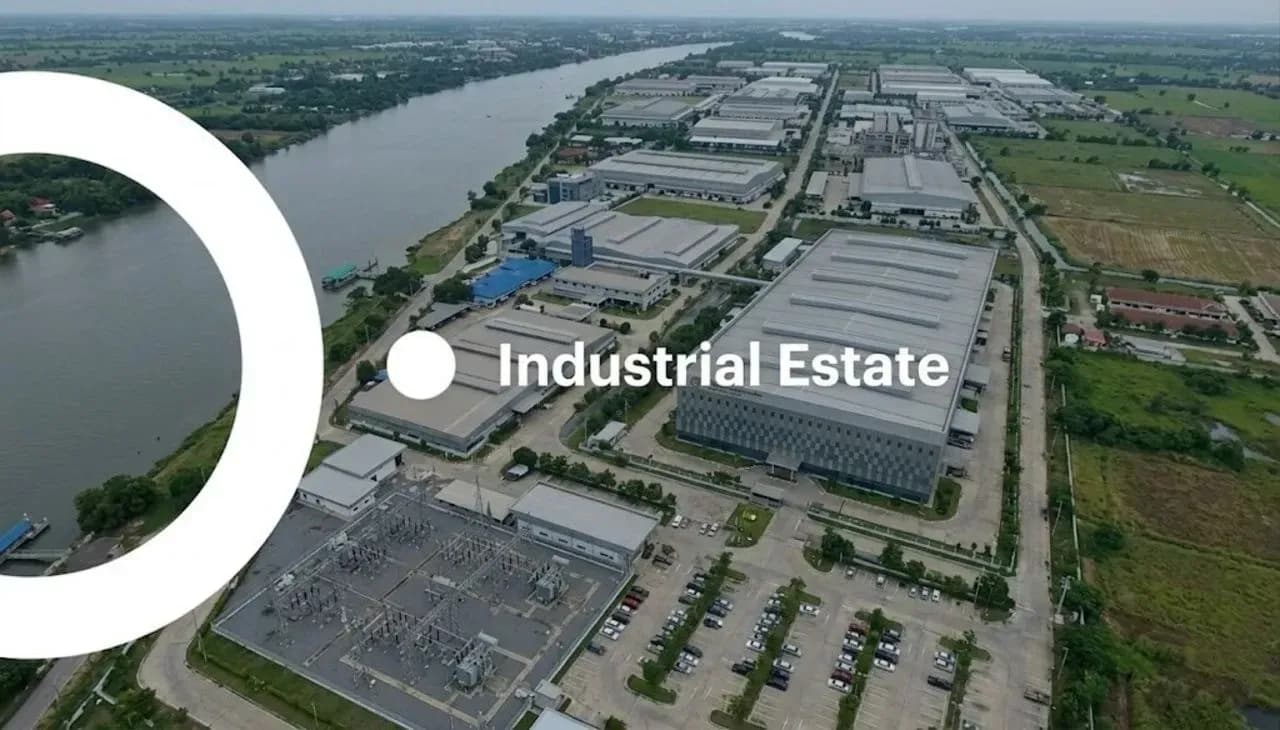
Data center: ธุรกิจ New Economy กลุ่มนิคมอุตสาหกรรมของประเทศไทยกำลังถูกประเมินมูลค่าใหม่จากแรงผลักดันเชิงโครงสร้างที่ตลาดยังให้น้ำหนักน้อยกว่าความเป็นจริง โดย data center ได้กลายมาเป็นเครื่องยนต์ขับเคลื่อนการเติบโตที่ใหญ่ที่สุดใน pipeline โครงการลงทุนของ BOI และเนื่องจาก data center มีการใช้ไฟฟ้าและน้ำสูงกว่าอุตสาหกรรมทั่วไปถึง 12–16 เท่า กลุ่ม data center จึงไม่ได้ช่วยแค่เพิ่มยอดขายที่ดินเท่านั้น แต่ยังสร้างรายได้จากบริการสาธารณูปโภคแบบ recurring ระยะยาวที่มีคุณภาพสูงให้กับกลุ่มนิคมอุตสาหกรรมอีกด้วย data center จึงถือเป็นธุรกิจ New Economy ที่เราเชื่อว่าจะช่วยสนับสนุนกำไรของกลุ่มนิคมอุตสาหกรรมไทยไปอย่างน้อยถึงปี 2570 และในอนาคตข้างหน้า โดยในปี 2568 BOI ได้รับคำขอรับการส่งเสริมการลงทุนมูลค่า 1.87 ล้านลบ. (+67% YoY) ครอบคลุม 3,370 โครงการ สูงที่สุดในรอบกว่าทศวรรษ ขณะที่ยอดขอรับการส่งเสริมการลงทุนจากกลุ่ม data center เพียงกลุ่มเดียวมีมูลค่าสูงถึง 7.28 แสนลบ. ครอบคลุม 36 โครงการ (เทียบกับ 9.85 หมื่นลบ. ในปีก่อนหน้า) และในเดือนพ.ค. 2569 BOI ได้อนุมัติโครงการลงทุนครั้งใหญ่ มูลค่า 9.38 แสนลบ. นำโดยโครงการลงทุนสร้าง data center ของ TikTok มูลค่า 8.25 แสนลบ. เราเชื่อว่านโยบายใหม่ของ BOI เกี่ยวกับการยกเว้นภาษีเป็นระยะเวลา 8 ปี ประกอบกับมาตรการ FastPass จะช่วยดึงดูดอุปสงค์เข้ามาในประเทศมากขึ้น โดยคาดว่ายอดขายที่ดินของ AMATA และ WHA ให้กับกลุ่ม data center จะอยู่ที่ประมาณ 3,000 ไร่
ประเทศไทยมีความพร้อมที่จะแข่งขันกับประเทศคู่แข่งในภูมิภาค เนื่องจากโครงการ Direct PPA ที่ประกาศออกมาสะท้อนถึงศักยภาพในการเติบโตเพื่อไล่ตามประเทศอื่นได้ถึงประมาณ 14 เท่า โดยอาศัยโอกาสจากข้อจำกัดเชิงโครงสร้างของสิงคโปร์ และภาวะพื้นที่อิ่มตัวในรัฐยะโฮร์ แม้ไทม์ไลน์เชิงนโยบายในปี 2569 จะล่าช้ากว่าคู่แข่งก็ตาม โดยข้อได้เปรียบเชิงโครงสร้างของไทยอยู่ที่ความใกล้ชิดกับฐานการผลิตใน EEC, ฐานผู้ใช้งานในประเทศราว 72 ล้านคน, พื้นที่นิคมอุตสาหกรรมที่เพิ่มขึ้น และต้นทุนค่าไฟฟ้าที่แข่งขันได้ นอกจากนี้โครงการ Direct PPA นำร่อง 2,000 MW และโครงการโครงการโซลาร์ฟาร์มลอยน้ำของ GDS/AMATA จะช่วยให้ข้อจำกัดในการเข้าถึงพลังงานหมุนเวียนของประเทศไทยเมื่อเทียบกับคู่แข่งในภูมิภาคลดลงอย่างมีนัยสำคัญ
ข้อจำกัดและแผนลดความเสี่ยง การดำเนินงานด้านระบบสายส่งไฟฟ้าเป็นคอขวดหลัก หากการปรับปรุงระบบสายส่งในพื้นที่ EEC ด้วยงบลงทุน 3.1 หมื่นลบ. ของ กฟผ. ล่าช้ากว่ากำหนด ขีดความสามารถในการรองรับในปี 2570 อาจถูกจำกัดอยู่ที่ประมาณ 1,200–1,500 MW เทียบกับ pipeline ที่มากกว่า 2,200 MW เพื่อแก้ไขปัญหานี้ ผู้ประกอบการอย่าง WHAUP และ AMATA Utility จึงใช้โครงสร้างพื้นฐานที่เตรียมไว้ล่วงหน้าและข้อตกลงในการเข้าถึงระบบสายส่งไฟฟ้าเป็นอันดับแรก นอกจากนี้ ปัญหาการขาดแคลนน้ำที่อาจเกิดขึ้นและความกังวลด้านความยั่งยืนอาจทำให้การขอใบอนุญาตที่สำคัญล่าช้าออกไป เนื่องจาก data center ที่เข้ามาใหม่คาดอาจผลักดันให้ความต้องการใช้น้ำเพิ่มขึ้นราว 15% ในปี 2570 อย่างไรก็ตาม ประเด็นด้านสิ่งแวดล้อมเหล่านี้ได้รับการแก้ไขผ่านการทำสัญญาจัดหาน้ำโดยเฉพาะ การรีไซเคิลน้ำราว 40% โครงการโซลาร์ และโครงสร้างอัตราค่าไฟฟ้าที่เป็นมิตรต่อสิ่งแวดล้อม
กำไรสูงสุดเป็นประวัติการณ์ในปี 2569 และปี 2570 ด้วยแรงหนุนจาก backlog สะสมที่แข็งแกร่งตั้งแต่ปี 2568 ประกอบกับยอดขายที่ดินในปี 2569 ที่คาดว่าจะถูกขับเคลื่อนโดยกลุ่มดิจิทัลซึ่งต้องการใช้ที่ดินขนาดใหญ่และโอกาสในการปรับขึ้นราคา ตลอดจนการเติบโตอย่างต่อเนื่องของรายได้จากบริการสาธารณูปโภคทั้งน้ำและไฟฟ้า เราคาดว่าปัจจัยเหล่านี้จะผลักดันให้หุ้นทั้งสองตัวภายใต้การเคราะห์ของเรา (AMATA และ WHA) ทำกำไรสุทธิสูงสุดเป็นประวัติการณ์ในปี 2569 ต่อเนื่องจนถึงปี 2570
ความเสี่ยงที่สำคัญและปัจจัยที่ต้องติดตาม แนวโน้มเศรษฐกิจโลกยังคงมีความผันผวนจากการเปลี่ยนแปลงนโยบายภาษี ความไม่แน่นอนทางภูมิรัฐศาสตร์โลกอาจทำให้การลงทุนล่าช้าออกไป สำหรับธุรกิจสาธารณูปโภค ความเสี่ยงหลักอยู่ที่กฎระเบียบและต้นทุนวัตถุดิบ
Data centers: A new economy for IEs
Thailand’s industrial estate sector is experiencing a structural revaluation driven by a massive boom in data center investments, which consume utilities at 12–16× the intensity of traditional tenants and will propel AMATA (2026 TP is Bt34.50) and WHA (2026 TP is Bt5.80) to record-high net profits through 2027. Backed by a historic wave of BOI approvals, Thailand is poised to challenge regional peers by leveraging EEC manufacturing co-location, expanded industrial land, and a 2,000 MW direct PPA pilot to bridge its renewable energy gap. Despite macro and geopolitical volatility, both developers remain robustly positioned as premium players, further validated by their top-tier AAA SET ESG ratings.
Data centers: a new economy: Thailand's industrial estates (IE) are being revalued to accommodate massive investment in data centers, which the market is still underweighting. DCs have become the largest single growth engine inside the BOI investment pipeline and, because they consume utilities at 12–16× the intensity of a typical manufacturing tenant, apart from the sale of land, this is giving a huge boost to utilities. This is the "new economy" that we believe will support Thai IE earnings through 2027 and beyond. In 2025 the BOI received Bt1.87 tn in applications (+67% YoY) across 3,370 projects — the highest in over a decade. Data-center applications alone were Bt728bn (36 projects) vs Bt98.5bn the prior year. In May 2026 the BOI green-lit a Bt938bn mega-wave led by TikTok's Bt825bn build. We believe the new BOI lure giving an 8-year tax holiday, plus FastPass, will draw more demand to the country, with AMATA and WHA selling around 3,000 rai to data centers.
Thailand is poised to compete with regional peers. Its announced direct PPA pipeline implies a ~14× catch-up potential, capitalizing on structural limits in Singapore and spatial saturation in Johor despite a lagging 2026 policy timeline. The country’s competitive edge rests on manufacturing co-location within the EEC, a robust domestic base of ~72mn users, expanded industrial land, and competitive power pricing. Ultimately, a 2,000 MW direct PPA pilot paired with the GDS/AMATA floating solar initiative will effectively close Thailand’s renewable energy gap.
Limitation and mitigation plan. Power grid execution is the primary bottleneck; if EGAT’s Bt31bn EEC upgrade is delayed, 2027 capacity may be capped at ~1,200–1,500 MW against a 2,200 MW+ pipeline. To resolve this, developers WHAUP and AMATA Utility rely on pre-built infrastructure and priority grid access agreements. Additionally, potential water shortages and sustainability concerns could delay major permits as upcoming data centers may push demand up by +/-15% in 2027. These environmental issues are addressed through dedicated water supply contracts, ~40% water recycling, solar projects, and eco-friendly power rates.
Record high earnings in 2026 and 2027. Earnings are supported by a strong accumulated backlog since 2025. This, combined with 2026 land sales driven by the digital sector—characterized by large-scale land demand and potential for price hikes—as well as continuous growth in utilities revenues from both water and power, are expected to propel both stocks under our coverage, AMATA and WHA, to new highs for net profit in 2026 through 2027.
Key risks and factors to monitor. Global economic outlook remains volatile with tax policy shifts. Global geopolitical instability may delay investment. For the utilities business, regulatory and cost of raw materials are the key risks.
Download PDF Click > IE260605_E.pdf